Where to install home security cameras?
Identifying the best locations for security cameras is the first step. Even the best camera system won’t deliver full protection if it’s installed in the wrong place. Strategic camera placement ensures:
- Maximum visibility of entry points
- Reduced blind spots around your property
- Effective deterrence against potential intruders
Strategic camera proper positioning is about coverage and context — capturing activity where it’s most likely to occur.
Priority areas for installation
1. Front door
Believe it or not, over one-third of break-ins happen through the front door.
- Mount a camera directly above or adjacent to the door.
- Keep it at least 7–9 feet high to avoid tampering but low enough for clear facial identification.
- Consider a Hue Secure wired camera for constant monitoring and integration with your smart lighting.
2. Back and side doors
These secondary entry points are popular with intruders because they’re less visible from the street. Optimizing your back door camera placement is essential for full perimeter coverage.
- Position cameras at similar height to the front door.
- Use battery-powered cameras if wiring access is limited.
3. Driveways and garages
Outdoor surveillance helps track movement near vehicles or deliveries.
- Mount a floodlight camera above your garage door to illuminate and record automatically when motion is detected. Using this type of integrated light + security solution is ideal for driveways and large backyards where visibility is a priority.
- The Hue Secure floodlight camera combines a motion-activated floodlight with a high-definition camera for enhanced visibility.
4. Ground-floor windows
Windows near the back or sides of the house are frequent entry points.
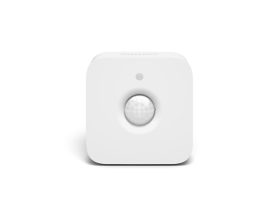
- Install cameras or motion sensors that cover multiple window angles.
- Hue lights can also turn on automatically when sensors detect activity nearby.
5. Interior focal points
Inside your home, focus on transitional areas and high-value zones. Proper indoor camera placement should prioritize the routes an intruder must take to navigate your house:
- Main hallways
- Stairways leading to upper floors
- Rooms containing safes, tech devices, or collectibles
By monitoring these key locations, you ensure intruders are captured regardless of which entry point they use.
Ideal camera height and angles
| Area | Ideal Height | Angle Recommendation | Tip |
Front/back door | 7–9 feet | Slight downward tilt | Avoid direct sunlight glare |
Driveway | 8–10 feet | Capture vehicles and entry path | Use motion-triggered floodlight |
Interior hallways | 7–8 feet | Cover entire corridor length | Aim toward intersections |
Windows | Just above frame height | Diagonal coverage | Pair with smart motion sensors |
Proper angle adjustment helps capture faces, not just heads or shoulders, while minimizing glare and blind spots.
Smart camera advantage
Modern smart home cameras simplify installation and optimize coverage through wide-angle lenses and intelligent detection.
Key benefits include:
- Wide field of view: One camera can monitor multiple access points.
- Motion-triggered recording: Saves bandwidth and battery.
- Smart alerts: Immediate notifications via mobile app when motion or sound is detected.
- Lighting integration: Combine with Philips Hue lights to deter intruders automatically when motion is detected.
Smart cameras transform your setup from passive observation to active prevention.
Hue Secure – Smarter camera placement, seamless integration
Hue Secure merges home security with smart lighting, enhancing visibility and protection day and night.
When integrated with your existing Hue ecosystem, your lights and cameras work together to deter, detect, and notify.
Pro tips for best coverage
- Follow these security camera installation tips to ensure your hardware performs at its peak and provides a clear, unobstructed view of your property.
- Avoid direct light: Position lenses away from lamps or windows to prevent glare from obscuring your camera field of view.
- Check your WiFi strength: Ensure strong signal for live streaming and cloud storage.
- Overlap coverage: Ensure camera views slightly overlap to avoid blind zones.
- Use smart automation: Link your cameras to intelligent home security triggers to activate lights and notifications simultaneously.
Final thoughts:
Effective home surveillance isn’t about having the most cameras — it’s about placing them wisely.
By focusing on entry points, high-traffic areas, and valuable zones, you can maximize security with minimal devices.
And when combined with Hue Secure smart lighting, your home doesn’t just see — it responds.