16 January 2026


Quick answer — How light influences mood and daily rhythm
Light is one of the most powerful regulators of human biology. Its brightness, timing and colour temperature send signals to the brain and body, telling us when to feel alert and when to relax.
Bright, cool (blue-rich) light during the day supports alertness, energy and focus, while warm, dim light in the evening encourages calm and prepares your body for restful sleep.

With Philips Hue smart lighting, you can recreate these natural rhythms indoors. Over time, aligning your daily lighting with your circadian rhythm can boost mood, improve energy levels and support better sleep. Think of it as designing your own personal sunrise and sunset – small changes in light that quietly reshape how you move through the day. By experimenting with light intensity and colour throughout the day, you can create a home environment that actively enhances your well-being.
Lights that support circadian rhythm lighting
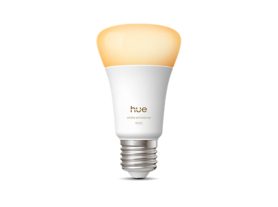
Discover our full smart bulb range here.
Circadian lighting benefits — What it means and why it matters
Circadian lighting, part of Human Centric Lighting, is designed to replicate natural daylight patterns indoors. By adjusting brightness and colour temperature over the day, it supports energy, focus and relaxation according to your body’s internal clock.
Benefits include:
- Easier wake-ups and better evening wind-downs
- Improved concentration and productivity during the day
- Enhanced mood and cognitive clarity
- Consistent energy levels

Philips Hue products such as the Twilight lamp and Signe gradient table and floor lamps allow you to adjust light dynamically. You can experience gradual changes in colour and intensity, creating an environment that feels more natural and uplifting. It’s like inviting the rhythm of the natural world into your home – gentle, supportive and in sync with your body.
Practical tips:
- Morning: Use cool light (5,000K – 6,500K) to energise
- Daytime: Adjust intensity for optimal focus
- Evening: Switch to warmer light (2000K–3000K) to relax

Adjustable smart strip lights
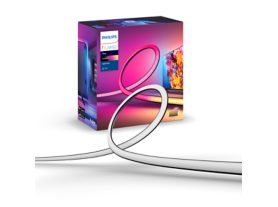

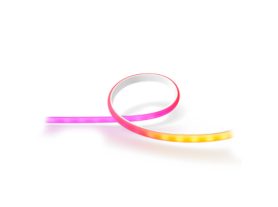
Discover our full range of smart strip lights.
Light and mental health — Colour temperature & mood
Lighting has a direct effect on mental health. Cool, blue-rich light boosts alertness, focus and cognitive performance. Warm light supports relaxation and emotional balance.
What colour light is best for mental health?
The practical answer is context-dependent:
- Daytime: Cool white or blue-enriched light for energy and focus
- Evening: Warm, amber light to reduce stress
- All times: Adjust intensity to task and sensitivity of household members

Philips Hue white ambience bulbs and Hue Signe lamps make it easy to adjust colour and brightness throughout the day, supporting both mental health and productivity. Lighting becomes not just functional, but a quiet companion to your emotional wellbeing.
Quick tip — Avoid bright blue light close to bedtime
Limit exposure to blue-rich light 1–2 hours before sleep. Use Hue Relax scenes to cue your brain for rest, with amber hues that help melatonin production and support better sleep quality.

Light for better sleep and waking up routines
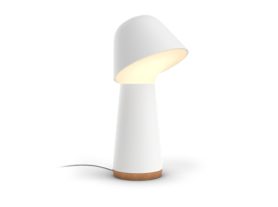
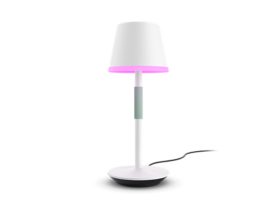
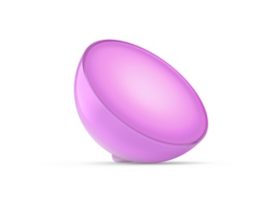
Explore more Philips Hue smart table lamps.
Practical routines — How to set lighting to support your day
Morning: Schedule a gradual "sunrise" or energizing scene with cooler light. The Hue Wake Up automation simulates dawn, helping you wake naturally and feel refreshed. Starting your day with soft, rising light can feel like a gentle nudge into motion rather than an abrupt alarm.

Daytime: Use bright, cool-white light for work or study. Hue Play Gradient strip lights can create immersive lighting that enhances focus and energy.
Evening: switch to warm, low-intensity light to relax. Gradual dimming cues melatonin production, supporting deeper sleep.
How to set automations in the Hue app
Open Hue app → Routines/Automations → Wake Up or Go to Sleep → select rooms → set times → pick colour recipe → save and test. Adjust brightness and timing to personal preference.
Products for syncing and automation
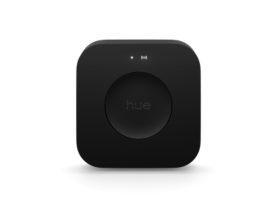
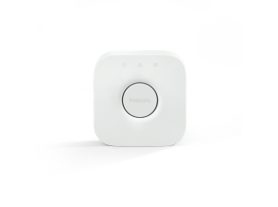
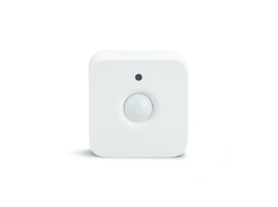
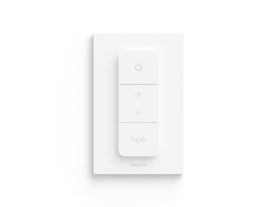
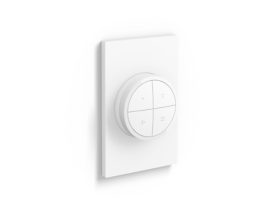
Find more smart lighting accessories.
Room-by-room advice
Bedroom: Warm, dimmable white light + wake/sleep automation. Avoid cool, bright tones before bed.
Living room: blend warm ambient light for evenings with cooler task lighting for reading/work.
Home office: bright, cool-white light for focused sessions; softer light for breaks.
Discover more inspiration for choosing lighting routines at home.
Room-by-Room
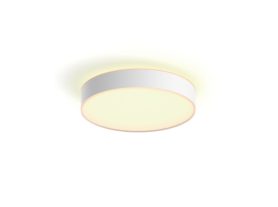
Enhance your home with smart ceiling lights and recessed lights.
Final thoughts — Make it personal
Lighting impacts everyone differently. Start small—one room or one automation—and monitor how you feel across a week. Refine colour, timing and intensity gradually.
With Philips Hue, you can personalise lighting to support your daily well-being, turning your home into a sanctuary that energises, relaxes and inspires you. When you adjust your home lighting, you reshape your days—and often, your mindset too. Small, intentional changes can transform your mood, focus and sleep quality.