22 January 2026
Light is one of the most influential elements in our environment. It impacts how we wake up, how energized we feel throughout the day, and how relaxed we are in the evening. Smart lighting builds on this principle, combining traditional LED bulbs with advanced technology to create a system that adapts to your lifestyle, needs and mood.


Smart lighting benefits include the ability to control brightness, colour and timing. Imagine waking up to a soft sunrise glow instead of a harsh alarm or dimming lights into a warm amber tone during dinner to create an intimate, cosy setting. For film night, lights can shift to deep cinematic hues, making your living room feel like a home cinema. This flexibility transforms your home environment, turning ordinary rooms into spaces that respond to and enhance your daily life.

Smart lighting is particularly useful for those exploring home automation for the first time. It combines inspiration and practicality, allowing you to experience the benefits of connected technology without complexity. Trusted brands like Philips Hue make connecting your home to smart lighting easy, reliable and energy-efficient. Check out the Philips Hue starter kits to get going quickly.
How smart lighting works
Smart lighting consists of LED bulbs and fixtures that communicate with apps, hubs or voice assistants. This connectivity enables remote control, automation and customisation, giving you the ability to adjust your lighting from anywhere, at any time.
How do smart light bulbs work?
Smart bulbs contain microchips that allow them to communicate through Bluetooth, Wi-Fi, or Zigbee networks. When connected through a hub or bridge, these bulbs form a responsive mesh network, ensuring instant reaction to your commands. You can dim lights, change colors, or set up automated schedules. For instance, your bedroom lights can gradually brighten in the morning to wake you gently, or living room lights can shift to soft colors for a relaxing evening.

*Zigbee and Wi-Fi use the same frequency band (2.4 GHz), but Zigbee does not use any Wi-Fi bandwidth to control the lights.
**Lights can be controlled via smart switches and automations, but app and away-from-home control are excluded.
Key components that make it work
Smart bulbs and fixtures: The foundation of a smart lighting system, providing dimming, colour control and scene creation.
Smart hubs like the Philips Hue Bridge: Connects multiple bulbs, enabling whole-home control and advanced automation.

App or voice assistant: Allows remote adjustments, scheduling and personalisation from anywhere.
Accessories: sensors, dimmers and switches enhance convenience and provide more automation options.
Learn how to set up your first smart home lighting system.
Philips Hue smart lighting controls
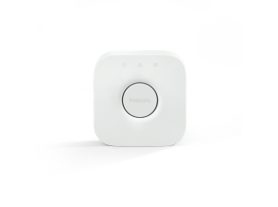
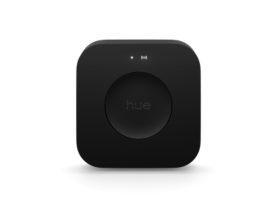
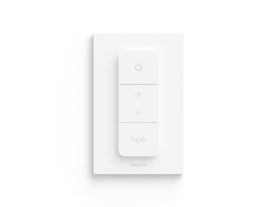
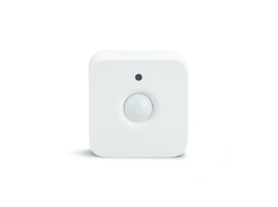
Explore more lighting controls.
Smart lighting benefits
Smart lights can support your body's natural circadian rhythm. In the morning, gradual brightening can mimic a sunrise, helping you wake gently and feel more energized. In the evening, warm, dim light signals your body to relax and prepare for sleep. By setting routines in the Hue app, you can automate these adjustments so that your home naturally aligns with your schedule. For example, lights in your home office can brighten gradually during work hours to improve focus and productivity.

Smarter energy use
LED-based smart bulbs like Philips Hue bulbs consume far less power than traditional bulbs. They are fully dimmable and can be automated to turn off when rooms are unoccupied, ensuring efficient energy usage. Over time, this can lead to significant cost savings while also reducing your environmental footprint. With automation, you never have to worry about leaving lights on, making energy efficiency effortless.
Ambience for every mood
Whether you are hosting dinner, watching a film or enjoying a quiet evening with a book, smart lighting allows you to create the perfect atmosphere. You can select specific colours, adjust brightness or activate pre-set scenes with a tap. For instance, a dinner scene can use soft amber lighting to create warmth, while a party scene can employ dynamic, colorful lighting to energise the room. This versatility allows your home to adapt seamlessly to your needs, creating moments that feel intentional and enjoyable.

Explore Hue scenes and colour inspiration.
Getting connected with Philips Hue LED bulbs and strip lights
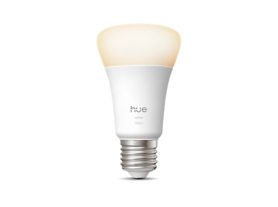
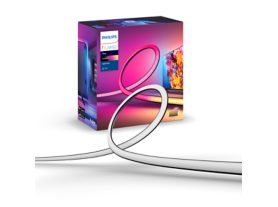
Discover our full range of strip lights and smart light bulbs.
How Philips Hue brings it all together
Philips Hue creates a cohesive and expandable smart lighting ecosystem. Whether you start with a single bulb or a whole-home setup, the system is designed to grow with your lifestyle.
You can personalise multiple rooms, create customised scenes and even sync your lights with music, films or games for a richer, more immersive atmosphere. Philips Hue smart lighting components like the Sync box and the Hue app, you can transform your TV or gaming set-up by matching your lights to the on-screen action in real time, while smart strip lights with gradient technology blend multiple colours at once for seamless, cinematic effects. Updated product innovations – like more responsive syncing, richer colour output and improved smart controls – allow your living room to shift into vibrant, reactive lighting for gaming or film nights, then effortlessly transition to soft, warm tones for reading or winding down. This adaptability ensures that your lighting always enhances your activity, mood and overall experience at home.
Integration with smart home ecosystems
Philips Hue works seamlessly with Alexa, Google Assistant and Apple HomeKit. This integration allows you to link lighting with other smart devices like security cameras and speakers, creating a synchronised home automation system. For example, arriving home can trigger lights to turn on, and the music to start.

Discover how Philips Hue integrates with smart home assistants
Philips Hue Entertainment System
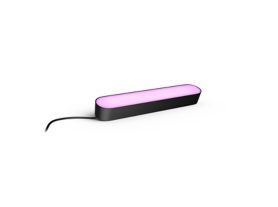
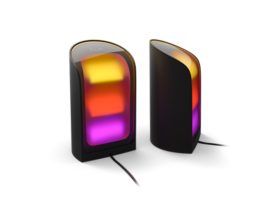
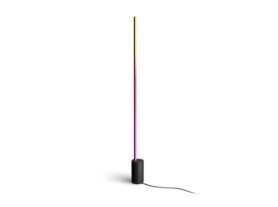
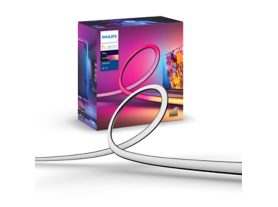
Start your smart lighting journey easily with Philips Hue smart lighting starter kits.
Final thoughts - Everyday inspiration through light
Smart lighting allows you to transform ordinary spaces into extraordinary experiences. Soft morning glows can start your day gently, warm evening tones can foster relaxation and dynamic colours can energise social gatherings or entertainment.
By combining technology with human-centered design, smart lighting lets your home adapt to your lifestyle. With Philips Hue, these experiences are effortless and intuitive, turning everyday lighting into a tool for enhancing well-being, comfort and creativity.
Everyday Smart Lighting Inspiration
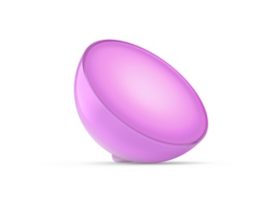
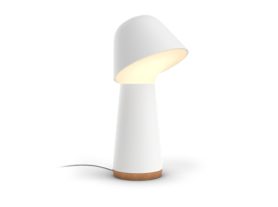
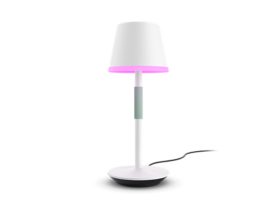
Explore the full Philips Hue table lamp range.
*Sign up and save 15%. You should receive your code within 1 hour after your subscription, but processing time may vary. This promotion is not valid on email addresses that are already enrolled in the Philips Hue newsletter. Read the Terms & Conditions for this promotion.