How to dispose of LED light bulbs?
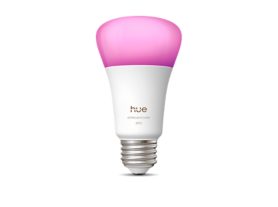
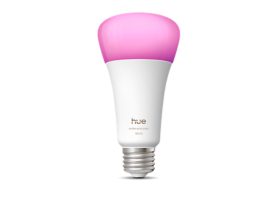
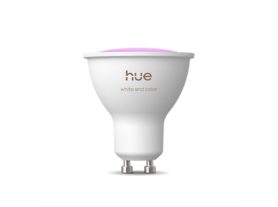
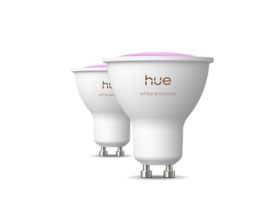
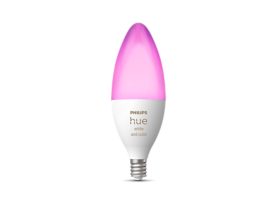
LED light bulbs are more sustainable than older types, but proper disposal still matters. Even though they don’t contain mercury like CFLs, LEDs include electronic components, glass, and metals that should be recycled for environmental safety and resource reuse. When recycling LED light bulbs, remember that even smart or connected bulbs—such as Philips Hue and other Wi-Fi or Bluetooth-enabled models—contain circuit boards and electronics, so they should always go to designated recycling points, not general waste.
To find the most convenient option, search for LED bulb recycling near me or check local collection programs to learn how to recycle LED bulbs safely and responsibly.
Why you should recycle LED bulbs and not put them in the trash?
Materials inside LED bulbs
LED bulbs often include circuit boards, semiconductors, small amounts of metals (e.g. copper, aluminum), plastic, and glass. These components are reusable and worth recovering.
Environmental benefits & reduced waste
By recycling, you prevent these materials from entering landfills, reduce mining for virgin resources, and lower the environmental footprint of new bulbs.
Do LED bulbs contain mercury?
Unlike CFLs and fluorescent bulbs, standard LED bulbs do not contain mercury, which simplifies handling. Check the LED lights advantages.
However, some LED bulbs are considered “universal waste” due to trace metals like lead or arsenic, depending on jurisdiction, making proper disposal still regulated.
Where to recycle LED bulbs near you?
Local recycling centers and drop-off programs
Your municipal waste or environmental services office often lists LED bulb recycling drop-off locations.
Retailers & hardware stores
Big chain hardware stores and retailers often accept spent LED bulbs for recycling.
E-waste / electronics recycling facilities
Many e-waste programs accept LED bulbs along with other electronic devices. Some regions may treat LED bulbs under universal waste rules.
Mail-back recycling services
If local options are unavailable, some services offer mail-in kits for bulb recycling (fees may apply).
Steps for safe LED bulb disposal and LED light bulb recycling
- Do not toss them in regular trash bins if alternatives exist — many jurisdictions discourage it.
- Wrap the bulb (in paper or a small box) to prevent breakage during handling or transport.
- Check local rules — some jurisdictions classify LED bulbs as universal waste or have special disposal laws.
- Locate a drop-off or collection program — via your city’s recycling site or Earth911’s search tool.
- Use mail-back kits if local facilities are not available.
- Store broken LEDs carefully in a sealed bag or container to avoid sharp glass fragments or dust.
Specific considerations for Philips Hue LED bulbs
When disposing of Philips Hue LED bulbs, the same best practices apply—but you can take advantage of Philips’ corporate recycling efforts:
Philips’ recycling programs / take-back: Philips participates in product take-back initiatives and encourages recycling of lighting products.
Contact Philips / Signify: For bulk recycling or disposal of many units, you can reach out to Philips or their regional service contacts.
Keep packaging: The original packaging can help with safe transport and acceptance at drop-off centers.
Disassemble advanced modules: For Hue modules or integrated systems, separate components (wires, drivers, circuit boards) if required by local e-waste standards.
Can I throw Hue bulbs in the trash?
It’s always best to recycle all LED bulbs, especially smart bulbs like Philips Hue bulbs. By treating Hue bulbs like any other LED—but leaning on Philips’ broader recycling responsibility—you ensure responsible disposal without damaging the environment.