How to install recessed lights?
Recessed LED lights — also known as can lights or downlights — offer a sleek, space-saving way to brighten your home. Installed flush with the ceiling, they deliver even, modern illumination that’s ideal for kitchens, living rooms, hallways, and offices.
And with smart LED technology, they can do much more than just turn on and off — they can shift color temperature, sync with your daily routines, and even transform the mood of your space.
Before you begin to install recessed lights
Tools & materials checklist
- Recessed light fixtures (or retrofit kits)
- Compatible LED bulbs (if not integrated)
- Power drill and hole saw
- Voltage tester
- Wire strippers and connectors
- Ladder
- Safety goggles and gloves
Pro Tip: Always turn off power at the circuit breaker before working with electrical wiring.
Step-by-step guide to installing recessed LED lights
Step 1. Plan your layout
Decide where you want your lights to go.
- Use a measuring tape to space fixtures evenly (typically 4–6 feet apart).
- Avoid ceiling joists and ducts.
- Mark each cut location with a pencil.
If you’re upgrading old fixtures, you can reuse the existing ceiling openings.
Step 2. Cut ceiling holes
Use the provided template (usually found on the fixture packaging) to mark your hole size — typically 4, 5, or 6 inches depending on the model.
Cut with a hole saw or drywall saw, keeping edges smooth to ensure a snug fit.
Step 3. Wiring connection
Inside the junction box (J-Box) attached to your fixture, connect your house wiring as follows:
- Black (hot) → Black
- White (neutral) → White
- Green or bare copper (ground) → Green/ground
Tighten all connectors and close the J-Box cover securely.
Tuck any excess wiring neatly into the ceiling cavity.
Always confirm the power is off with a voltage tester before touching any wires.
Step 4. Install the fixture — friction clips & tension springs
Modern recessed LED lights use friction clips or tension springs to hold them in place.
- Align the fixture with the ceiling hole.
- Push upward gently until the clips compress.
- As you release pressure, the clips will expand outward, locking the fixture securely in place.
The trim should rest flush against the ceiling with a seamless, modern finish.
Step 5. Add bulb and trim (if applicable)
For fixtures that use replaceable bulbs:
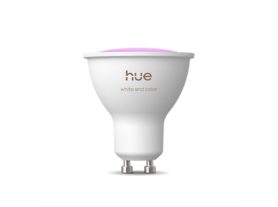
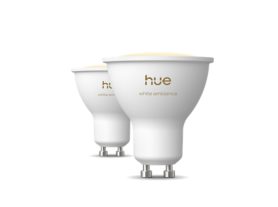
- Screw in or twist-lock your LED bulb (E26, GU10, or MR16 depending on the model).
- Attach the trim or bezel to cover the edges of the hole.
- If you’re using a dimmer switch, ensure your LED bulb is dimmer-compatible, as standard LED bulbs may flicker or fail with older dimmers.
For integrated LED fixtures, the light and trim are built into a single slim housing — simply push it into place.
Installing philips hue recessed downlights (smart retrofit)
Installing a Philips Hue smart downlight is even easier thanks to its plug-and-play design.
- Quick connect: Connect the fixture’s plug to the J-Box’s quick connector — no wire nuts required.
- Push-in design: Insert the fixture into the ceiling hole; the spring clips snap into place automatically.
- Power on & pair: Restore power and open the Philips Hue app to connect your light via Bluetooth or the Hue Bridge.
Hue advantage: Once installed, you can dim, color-tune, and automate your recessed lights — no wall switches are needed.
Benefits of upgrading to Philips Hue recessed lighting
Seamless control: Adjust color, brightness, and scenes via the Hue app or smart speaker, giving you full smart home lighting control.
Dynamic ambiance: Create immersive lighting moods for work, play, or relaxation, enhancing comfort and productivity in any space.
Energy efficiency: Long-lasting LED technology with up to 25,000 hours of use, reducing electricity costs and maintenance compared to traditional fixtures.
Smart automation: Set routines and schedules to match your daily rhythm, integrate with motion sensors, and link lights to other smart home devices.
Tool-free installation: Quick-connect design and spring clips make setup easy, even for retrofit projects, providing hassle-free upgrades.
Flexible design: Sleek, low-profile recessed lighting blends seamlessly with modern interiors, offering both functional and aesthetic benefits.
Final thoughts:
Installing recessed LED lights is one of the best ways to refresh your home’s lighting design — combining style, efficiency, and performance.
With Philips Hue smart recessed lighting, you take it a step further: full-color customization, voice control, and smart automation that fits your lifestyle.