How to remove recessed lights?
Removing recessed lighting fixtures is necessary for upgrades, repairs, or full ceiling renovations. Whether you’re performing fixture removal or can light removal, the process is straightforward but requires strict adherence to safety protocols, as you will be handling electrical wiring.
Step-by-step guide — How to remove a recessed LED fixture
Follow these steps carefully to remove your existing recessed lights safely and efficiently. This guide covers various fixture types, including standard recessed housings, retrofit LED cans, and smart LED modules, ensuring that users with different setups can follow along confidently.
1. Turn off power (critical safety step)
Go to your home’s main electrical panel and switch off the circuit breaker that controls your lighting circuit.
Never skip this step — even if the light is “off,” electricity could still be flowing.
Pro Tip: Use a non-contact voltage tester or multimeter to confirm the power is completely off before touching any wires, ensuring safe handling during removal.
2. Remove the trim or access the fixture
Most recessed lights have a trim ring — the visible outer edge around the bulb.
- Gently pull down the trim with your fingers.
- Some trims may require loosening small retaining screws.
Once removed, the housing (the can or fixture body) should become accessible.
3. Detach the fixture from the ceiling can
Depending on the design, recessed fixtures are held in place using springs or clips. Before attempting removal, inspect the fixture to determine whether it uses tension springs, mounting clips, or a friction-fit design—this will guide the correct removal method.
- Tension springs: Look for two metal spring arms (often shaped like “V” or “U”). Squeeze or unhook them to release the fixture.
- Mounting clips or friction fit: Some fixtures are friction-mounted or use clips that need to be gently pinched or unscrewed.
Tip: Support the fixture with one hand while releasing the springs or clips to prevent it from falling and avoid damage.
4. Lower the fixture
Once released, carefully pull the housing down from the ceiling.
You’ll now see the wiring connection inside or near the fixture.
5. Disconnect the wiring
Inside the ceiling cavity, you’ll find a junction box (J-Box) — a small metal or plastic box that connects your light to the home’s wiring.
- Remove the J-box cover.
- Unscrew or untwist the wire nuts connecting:
- Black (live) wire
- White (neutral) wire
- Green or bare (ground) wire
- Separate the fixture’s wires from the house wiring.
Once disconnected, your old recessed light is completely free and ready to be removed.
How to remove integrated Philips Hue downlights
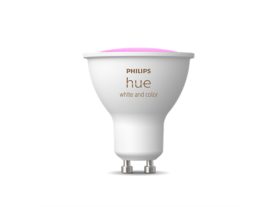
If you have a Philips Hue recessed fixture (such as the White ambiance or color ambiance downlight), removal is even simpler thanks to the plug-and-play quick connector.
- Power off: Always cut power at the breaker.
- Pull down fixture: Gently tug the Hue downlight from the ceiling; it’s held in place by tension springs.
- Unplug the connector: Instead of traditional wire nuts, Hue fixtures use a quick-connect plug. Simply unplug it from the wiring harness.
- Done: The fixture is now safely removed and ready for replacement or repositioning.
Pro Tip: When upgrading to a new Hue downlight, simply plug the new fixture into the same quick connector — no need to rewire.
Benefits of upgrading to smart recessed lighting
Wireless control: Adjust brightness and color from your smartphone, tablet, or voice assistant, giving you full smart home lighting control.
Custom ambiance: Create personalized lighting scenes—from energizing daylight to warm, relaxing tones—to enhance mood and productivity.
Energy efficient: Modern LED recessed lights offer long lifespans (up to 25,000 hours) and low energy consumption, reducing electricity costs compared to traditional fixtures.
Automation ready: Schedule routines for morning, movie time, or bedtime, and integrate lighting with other smart home devices for seamless operation.
Design flexibility: Sleek, flush-mount design blends with any décor, allowing modern, minimalist lighting without bulky fixtures.
Final thoughts:
Removing recessed lights doesn’t have to be intimidating. With just a few careful steps, you can safely take out old fixtures and prepare your ceiling for something new.
Upgrading to Philips Hue recessed downlights transforms ordinary lighting into a personalized experience — with smart control, endless color options, and effortless ambiance control.