Woman waking up in a bedroom with smart wake-up light simulating sunrise for a gentle start to the day

Wake-up light: what it is and why it works

20 January 2026

A wake-up light slowly brightens your bedroom over a set interval to mimic sunrise, gently guiding your body out of deep sleep. Unlike the jolt of a traditional alarm, this gradual brightening reduces sleep inertia – the groggy feeling that makes mornings hard – and helps align your body’s internal clock with natural daylight.

When used consistently, wake-up lights can support a healthier sleep-wake cycle, leading to more energy and better mood throughout the day. Smart solutions like the Philips Hue wake-up light are designed to help you fall asleep easier and wake up feeling refreshed. 

Two smart wake-up lights beside a bed producing the best light for waking up with a sunrise effect and ambient glow

The Philips Hue ecosystem supports programmable scenes, vibrant colour transitions and smart automations designed for your circadian rhythm.

How wake up lights work:

  • In the evening, warm, low-blue light is used to support melatonin release to help you wind down.

  • In the morning, soft, brightening light signals your brain to wake up naturally.

Discover more on smart lighting for health and well-being to explore the science behind Hue’s well-being range.


What kind of lighting helps you to sleep better?

Not all light is created equal when it comes to rest. To prepare for sleep, opt for warm, dim light (below 2700K) and avoid blue-enriched tones that suppress melatonin. For waking up, use gradually brightening cool light that mimics sunrise. Experience a gentle wake up light that mimics the natural sunrise with Philips Hue's smart sleep-wake up light feature.

The science behind light and sleep

Research continues to show that light timing, colour and intensity influence your circadian rhythm. A consistent schedule, comprising dim evenings and bright mornings, helps reinforce healthy sleep patterns.

Best light for sleep scenario using smart wake up light in sleep mode in the Hue app.

For a practical overview, Philips Hue's routines and automations guide explains how to create lighting scenes that fit your body's natural rhythm.

Gentle wake-up light vs smart sleep wake-up light

A gentle wake-up light focuses on one task: simulating sunrise to ease you out of sleep. A smart sleep wake-up light, like those in the Philips Hue ecosystem, goes further – integrating automation, app control and personalised routines.

Smart lighting connects your bedroom to your lifestyle, adapting colour, brightness and timing to support you around the clock. 

A bedroom scene using a wake-up light smart lamp designed to support sleep and wake-up routines

Smart sleep wake-up light and voice control

If you want deeper control, integration with voice assistants and coordination with the rest of your home lighting using smart hubs like the Hue Bridge and Bridge Pro, create an ideal smart setup. 

With Philips Hue, you can create a personalised lighting environment that helps you sleep better and wake up gently. 

Learn more about how Hue lighting supports everyday life in explore Hue.

Light up your night: Philips Hue products for better sleep

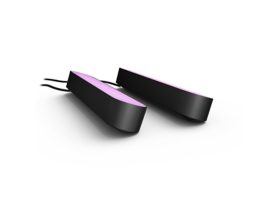
Here are some Philips Hue products designed to support both your bedtime and wake-up routine:

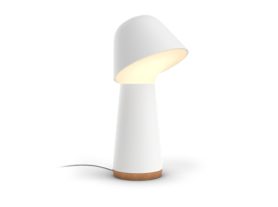
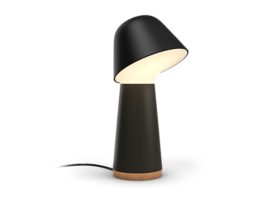
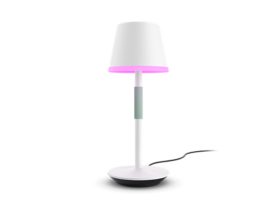
Discover our full range of smart table lamps

Why they fit: Each light offers personalised brightness and colour transitions designed to match your sleep-wake cycle and enhance wellbeing. They can be dimmed to soothing warm tones for winding down and configured for gradual wake-up routines. For example, the Twilight lamp includes built-in sunrise and sunset simulation modes—so you can wake naturally and drift off gently.Shape

How to set up a gentle wake up light routine

Creating a smart sleep-and-wake cycle isn't about gadgets—it's about rhythm. Below is a detailed step-by-step guide you can follow with the Philips Hue app:

Step 1: Set a consistent wake time

Decide on a fixed wake-up time (e.g., 6:30 AM) and keep it the same weekdays and weekends if possible—this builds circadian consistency.

A bedroom scene using wake-up lighting automation with smart wake-up light gradually increasing brightness for waking up refreshed

Step 2: Create a "sunrise" automation

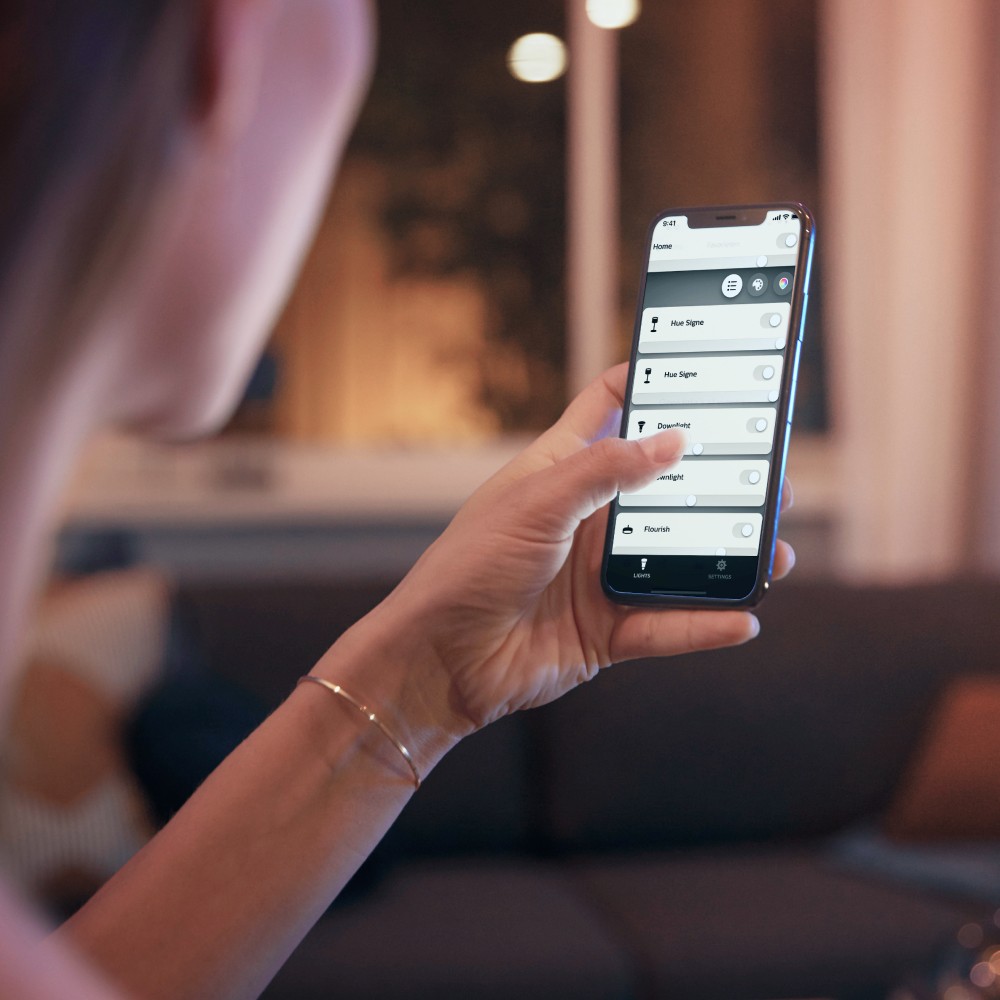
    1. Open the Hue app → select "Routines" → "My routines" → "Add routine".

    2. Choose "Wake up" and pick your device (e.g., Twilight lamp or selected Hue lights).

    3. Set the start time 20–30 minutes before your actual alarm (e.g., 6:00 AM).

    4. Choose a gradual brightness increase: start at ~5%, then go to ~50% at wake-up time.

    5. Select the colour transition: e.g., warm amber → soft white → cool daylight.

    6. Link the routine to your bedroom lights. Save and enable.

Step 3: Choose your tones

In the same routine, select the colour palette: warm amber for the initial phase, transitioning to soft white or daylight by wake time. For smart systems, you might add voice integration ("Alexa, good morning").

Step 4: Add a "go to sleep" routine

    1. In the Hue app, under "Routines," select "Go to sleep".

    2. Set the trigger time (e.g., 10:30 PM).

    3. Choose a fade-out effect: dim to 10% over 15 minutes, then turn off.

    4. Select warm red/amber hues to signal winding down.

    5. Link to bedroom lights and set any pause/skip logic (e.g. skip if you’re still awake reading).

A smart wake-up light on a bedside table creating a warm orange-yellow glow to support wake-up lighting

Step 5: Test & adjust

After a few mornings, adjust the duration (try 15, 20, 30 minutes) and colour temperatures to find what feels gentlest for you. Combine with other sleep hygiene practices like limiting screens before bed.

Tips and automations for maintaining healthy sleep routines

  • Keep screens away 60–90 minutes before bed.

  • Experiment with sunrise durations—20 or 30 minutes works best for most people.

  • Use wind-down lighting in the evening.

  • Stay consistent. Your body adapts to patterns, not perfection.

  • Pair with sound. Use natural tones or soft music with your light routine for a holistic wake up experience.

A smart wake-up light on a bedside table creating a warm orange-yellow glow to support wake-up lighting

For more nighttime inspiration, visit Philips Hue's bedroom lighting ideas.

Start your morning right: Philips Hue lamps for a gentle wake up

Here are some products designed to support your mornings:

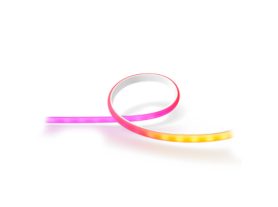
Explore our full range of strip lights.

Why they fit: Together these products allow full circadian lighting control—from soft dawn simulation, to energizing daylight, to dynamic colour scenes that reflect your mood or time of day. For example, if you place a Hue Bloom on your bedside table and pair it with a wake-up routine; it will glow gently and grow brighter as your body transitions from sleep to wake, while the Gradient light tube can line your headboard for immersive ambient morning glow. 

Final thoughts: wake up to light, not alarms

If you’re new to wake up lights, start small: try a smart bedside lamp like the Hue Twilight lamp paired with a wake-up routine, and keep the schedule steady for a few weeks. You’ll soon notice gentler mornings and more balanced energy. 

With Philips Hue, light becomes a partner in your well-being journey – from the first soft glow of dawn to the last warm light of night. Sometimes, the smallest glow can transform the way you wake up – and the way you live.