What can you do with a motion sensor?
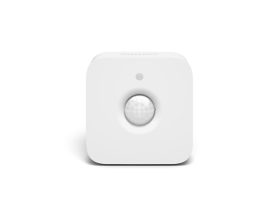
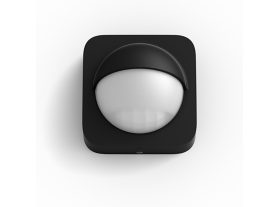
A motion sensor is like having a smart lighting assistant that reacts automatically to movement. By installing automatic motion-activated lighting, you can ensure your home responds to your presence without you ever touching a switch. With a Philips Hue motion sensor, you can automate lights to turn on when entering a room and off when leaving, creating energy-efficient, hands-free lighting.
Motion sensors aren’t just convenient—they can enhance security, ambiance, and automation throughout your home.
Everyday Uses for Motion Sensors
Hands-free lighting
- Automatically turn on lights when you enter a room.
- Lights turn off when no motion is detected, saving energy.
- Ideal for hallways, bathrooms, closets, and kitchens.
Security enhancement
- Lights activate when movement is detected at night or in empty rooms.
- Acts as a deterrent for potential intruders when integrated with home security routines.
- Combine your sensors with Hue outdoor lights to create motion-triggered security lights that guard your driveway, porch, or backyard.
- Beyond just turning on bulbs, a properly configured smart home security sensor can send a notification to your phone the moment unexpected movement is detected while you're away.
Customizable comfort
- Adjust brightness depending on the time of day: bright for daytime, dimmed at night.
- Pair with Hue scenes to create cozy or functional atmospheres.
- Ideal for nurseries or late-night hallway lighting.
Integrating motion sensors with Philips Hue
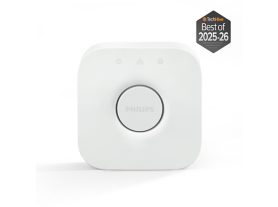
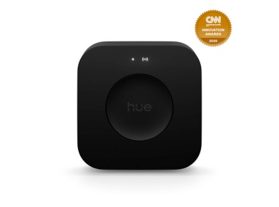
- Connect the motion sensor to your Hue Bridge or Hue Bluetooth network.
- Create automations in the Hue app:
- Turn lights on or off automatically.
- Trigger specific colors or scenes when motion is detected.
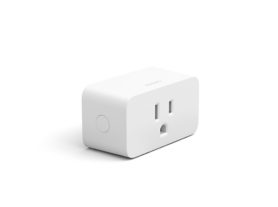
- Use motion to activate other smart accessories, like Hue smart plugs or string lights.
Advanced Features
- Time-based adjustments: Set the sensor to behave differently during the day versus night.
- Multi-room integration: One sensor can trigger multiple lights or groups for coordinated control.
- Vacation mode: Simulate occupancy by triggering lights randomly when motion is detected, enhancing home security.
Benefits of Using Motion Sensors
| Benefit | Description |
| Energy savings | Lights only turn on when needed. |
| Hands-free convenience | No need to manually operate switches. |
| Enhanced security | Alerts and lights deter unwanted activity. |
| Customizable automation | Adjust scenes, colors, and brightness based on motion. |
| Smart Home integration | Works with Hue Bridge, Bluetooth, or other smart accessories. |
Final Thoughts:
A Philips Hue motion sensor adds efficiency, convenience, and security to your living space. By implementing motion-activated home automation, you ensure your lighting is always responsive to your movement, reducing energy waste and enhancing your home's safety.
- Automate lighting in high-traffic areas like hallways, bathrooms, or outdoor paths.
- Enhance security by instantly activating bright scenes when unexpected movement is detected.
- Integrate with your Hue ecosystem for advanced routines, such as triggering non-smart appliances via smart plugs.
With motion sensors, your smart lighting experience becomes hands-free, energy-efficient, and responsive to your lifestyle.