Are home security systems effective?
Home security systems have evolved far beyond simple alarms. Today, they combine cameras, sensors, and smart lighting to protect your home and give you peace of mind. But how effective are they really? Exploring home security system effectiveness shows that modern setups not only deter intruders but also detect threats early and actively defend your property. Smart lighting, motion sensors, and connected cameras work together to create a safer environment — adding layers of protection and control for homeowners.
What makes a home security system effective?
Deterrence: making homes less attractive to intruders
The most effective security systems start by deterring crime before it happens.
Visible elements — like cameras, motion sensors, and security lights — signal to potential intruders that your home is monitored.
A study by the UNC Department of Criminal Justice revealed that 60% of burglars avoid homes with security systems. Outdoor lighting also plays a key role in deterring unwanted visitors by eliminating dark areas and increasing visibility.
Detection: instant awareness of suspicious activity
Once deterrence fails, detection takes over. Modern systems monitor in real time, identifying unexpected activity and alerting homeowners instantly.
Connected sensors, door contacts, and motion detectors allow for quick responses — whether you’re home or away.
With smart apps, you can see live camera feeds, check activity logs, and receive alerts directly to your phone. This visibility enhances confidence and control over your space.
Defense: automated actions that protect
When movement or a breach is detected, automation ensures a swift defensive reaction.
Smart systems can sound alarms, turn on floodlights, or even notify emergency contacts automatically.
This combination of deterrence, detection, and defense makes today’s home security systems both efficient and reliable.
These automated responses are among the key benefits of home security systems, helping reduce risk, improve response times, and protect your home more effectively.
The role of smart technology in home security
From reactive to predictive systems
Traditional alarms react after something happens. Smart systems, powered by AI and automation, can anticipate risks by learning daily patterns — such as your lighting schedule or when you typically open doors.
If something unusual occurs, the system alerts you proactively.
Real-time monitoring and control
Connected home technology means you can monitor and manage security from anywhere. Whether you want to switch on a light, check a camera feed, or review an alert, everything is accessible through a mobile app.
This level of visibility and control directly improves home security system effectiveness, allowing faster responses and better protection no matter where you are.
Seamless integration across devices
Smart ecosystems, like Philips Hue, combine lights, cameras, and motion sensors into one network.
This integration means when a motion sensor detects activity, the system can automatically trigger the lights or send a notification — a powerful combination of awareness and visibility.
How Hue enhances home security
Smart lighting: the unsung hero of home safety
Lighting is one of the most underestimated yet effective ways to enhance security.
Simulate occupancy with automation
With Philips Hue, you can program your lights to turn on and off automatically, creating the illusion that someone is home — a proven deterrent against burglars.
Motion-activated illumination
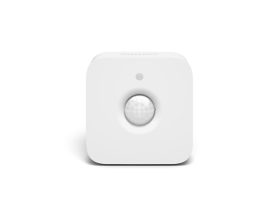
Hue motion sensors can detect movement and trigger lights immediately. Whether you’re arriving home late or want to startle an intruder, automated lighting reacts faster than manual switches.
Integration with cameras and sensors
Hue Security cameras and contact sensors seamlessly connect with the Hue Bridge, enabling advanced security automation.
For example, lights can flash red when motion is detected or brighten your driveway when the outdoor sensor is activated.
Real-world impact of smart lighting security
Fewer break-ins thanks to smart light integration
According to SafeHome.org (2024), homes using automated lighting systems experience up to 30% fewer break-ins.
The ability to mimic occupancy and illuminate dark areas discourages trespassing more effectively than static lighting.
Reduced false alarms with visual verification
Smart lighting helps homeowners verify movement visually before alarms are triggered. Studies show that combining lighting with cameras can reduce false alarms by over 25%.
Practical tips for maximizing security with smart lighting
1. Combine layers of protection
Use lighting alongside cameras and motion sensors for stronger coverage.
2. Automate and randomize
Set schedules or use geofencing to automatically switch lights on when you arrive or leave.
3. Integrate with voice assistants
Control your system hands-free using Alexa, Google Assistant, or Apple HomeKit.
4. Keep entrances well lit
Focus lighting on doorways, driveways, and outdoor pathways — key security zones.
5. Use color signals for alerts
Assign specific lighting colors (e.g., red for intrusion, white for normal activity) for quick recognition.
Conclusion: Home security systems are most effective when they combine technology, automation, and visibility. This is why many homeowners ask, are home security systems effective—and modern systems prove their value by deterring threats, enabling fast responses, and improving overall home protection.
Lighting is no longer just for comfort — it’s a fundamental part of modern home safety.
With the right setup, you can transform your home into a secure, connected, and intelligent space that protects what matters most.
Philips Hue Control products
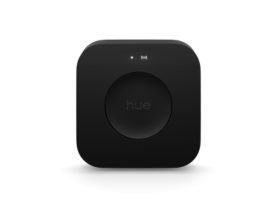
Hue
Bridge Pro
$98.99