How should I set up string lights?
String lights are a versatile way to create cozy indoor vibes or magical outdoor ambiance. Professional-looking installations start with careful planning, proper materials, and secure anchors — key considerations when learning how to hang string lights correctly. With Philips Hue Festavia, you can elevate any outdoor string light setup by adjusting brightness, colors, and syncing lights to music directly through the Hue app, creating a polished and immersive lighting experience.
Strategic Planning for an Outdoor String Light Setup
A durable and visually appealing outdoor string light setup begins before you climb a ladder. Thoughtful planning ensures proper spacing, safe installation, and reliable access to power, helping your string lights look polished and perform consistently over time.
Phase 1 – Preparation, tools, and safety
1. Select the correct lights
- Outdoor installations: UL-listed or ETL-certified, IP44/IP65 waterproof rating.
- LED lights for energy efficiency and longevity.
2. Measure and design
- Use a tape measure to determine length and width of space.
- Choose a layout pattern based on your goals and patio string light ideas:
- Perimeter: Clean outline along fence or railing.
- Zig-Zag: Dense coverage for rectangular patios.
- Canopy/Grid: Maximum coverage for decks, gazebos, or large rooms.
3. Locate power and use proper cords
- Identify nearby GFCI outlets for outdoor use.
- Use outdoor-rated extension cords only.
- Do not exceed manufacturer’s recommended string connections.
4. Essential tools
- Ladder, measuring tape, stainless steel screw hooks, cup hooks, magnetic clips, and zip ties.
Installation – Securing anchors and preventing sag
A long-lasting installation requires secure, weather-resistant anchor points.
H3: Choosing and installing anchor points
- Wood and structures (pergolas, decks):
- Use stainless steel screw hooks; drill pilot holes if needed.
- Use stainless steel screw hooks; drill pilot holes if needed.
- Fences and railings:
- Use zip ties or cable ties to secure cords neatly.
- Open spaces (no trees/structures):
- Install freestanding posts sunk into concrete or heavy planters.
- For long runs (25–30 ft+), use tensioned guide wires and attach lights with cable ties.
The final hang
- Remove glass bulbs (if applicable) to prevent breakage during hanging.
- Allow for slack to create a soft drape and avoid tension on cords and anchors.
- Hide excess cord near power outlets using hook-and-loop fasteners or zip ties.
Setting up Philips Hue festavia
Philips Hue Festavia string lights allow advanced customization via the Hue app.
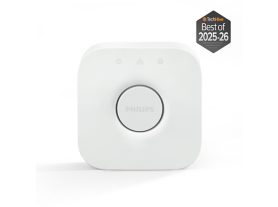
- Pairing: Plug in and connect via Bluetooth or Hue Bridge.
- Indoor use (e.g., Christmas tree): Wrap loosely with 6-inch (15 cm) spacing between rows.
- Lighting effects: Use the app to set gradients, diffuse color effects, and animations.
- Large sets: For the 500-LED set, split “A” and “B” strings for balanced coverage.
- Outdoor use: Follow IP44/IP65-rated installation guides for patios, gardens, and exterior walls.
- Smart home integration: Festavia lights work with voice assistants and smart home platforms, allowing hands-free control, automation routines, and synchronized lighting across your home.
Tips for professional results
- Always check weatherproof ratings for outdoor installations.
- Avoid overstretching cords or strings.
- Use zip ties, hooks, or guide wires to maintain tension and alignment.
- Integrate string lights into Hue scenes and automations for dynamic lighting experiences.
Final thoughts
Setting up string lights is a combination of planning, secure installation, and creativity.
- Anchor lights carefully for safety and longevity.
- Allow some slack for a natural aesthetic.
- Use Philips Hue Festavia to unlock custom colors, gradients, and app-controlled automations.
With the right planning and smart integration, your string lights can transform any space into a magical ambiance.