Person's hands installing a white LED light bulb into a ceiling socket, focusing on the bulb and socket connection.

Hue White vs White Ambiance smart bulbs

16 February 2026

When comparing Hue White vs White Ambiance, the key difference lies in how much control you have over the color temperature of your light. Both options are part of the Philips Hue smart lighting system, but they are designed for different needs and spaces in the home.

This guide will take you through the differences between the Hue White and White Ambiance bulbs to help you choose the right smart lights for your home. Explore how Philips Hue products can be combined to create a flexible, connected lighting setup.

What color temperature means in smart lighting

Color temperature describes how warm or cool white light appears and is measured in Kelvin (K). Lower Kelvin values produce warmer, yellow-toned light, while higher values create cooler, whiter light.

Color Temperature: Warm 2700K vs Tunable White Light

  • Warm white light (around 2700K) is commonly used for relaxing spaces
  • Neutral and cool white light support tasks and focus
  • Tunable lighting allows adjustment throughout the day

Understanding color temperature is essential to understanding the difference between Hue White and White Ambiance.

Woman putting a white light bulb into a pendant light fixture

Philips Hue White explained

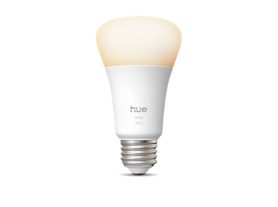
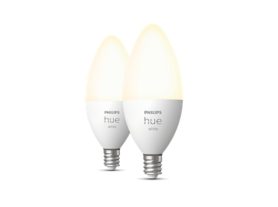
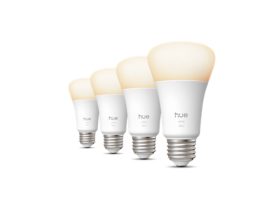
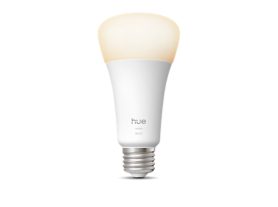
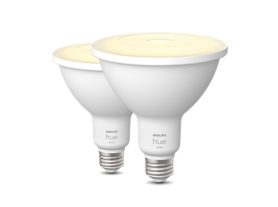
Hue White bulbs produce warm white light at a fixed color temperature of 2700K. This is the same type of light traditionally used in living rooms and bedrooms for a comfortable, relaxed atmosphere.

While the color temperature does not change, Hue White bulbs are still fully smart. They can be dimmed, scheduled, and controlled using the Hue app or compatible voice assistants.

Typical uses for Hue White

  • Living rooms and bedrooms
  • Hallways and accent lighting
  • Spaces where consistent warm lighting is preferred


Philips Hue White Ambiance explained

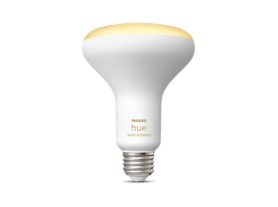
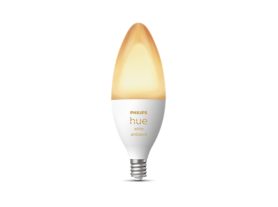
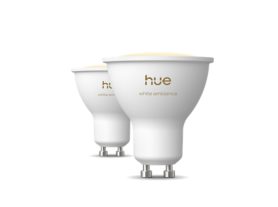
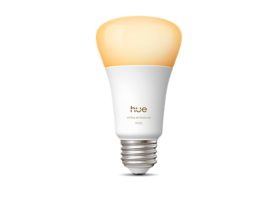
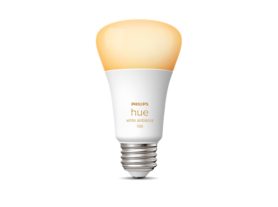
Hue White Ambiance are tunable white light bulbs (White Ambiance), meaning the color temperature can be adjusted from warm white to cooler daylight tones. This allows lighting to adapt to different times of day and activities.

White Ambiance bulbs support routines and Hue ascenes that shift lighting automatically, such as brighter light in the morning and warmer tones in the evening.

Lamp with a white ambiance bulb placed on top of a table

Typical uses for White Ambiance


Hue White vs White Ambiance comparison

Feature Hue White White Ambiance
Color temperature Fixed Adjustable
Kelvin reference 2700K Tunable white range
Lighting control Dimming Dimming + tone
Best use Relaxation Daily routines
Flexibility Low High

The difference between Hue White and White Ambiance is primarily about flexibility. Hue White keeps lighting simple, while White Ambiance adapts to different tasks and times of day.

Dimming Capabilities: Differences Between Hue White & White Ambiance

Choose Hue White if you want consistent warm lighting and minimal setup. 
Choose White Ambiance if you want lighting that changes with your routine.

Many homes use both types together, depending on the room. All Philips Hue bulbs work within the same system and can be controlled from a single app or using dimmer switches.

For a broader overview, see the Philips Hue smart bulbs collection.

Using Hue White and White Ambiance together

Hue White and White Ambiance bulbs can be combined across rooms to create layered lighting. This allows each space to have the right type of light without changing fixtures or controls.

Lighting becomes more adaptable while remaining easy to manage within the same Philips Hue system. 

Beyond Shades of White: Is it Worth Upgrading to Color-Changing Bulbs?

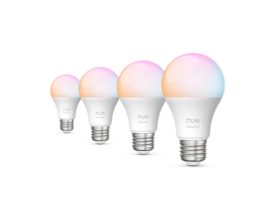
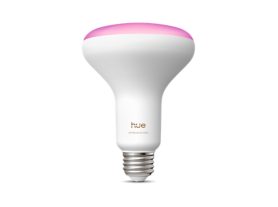
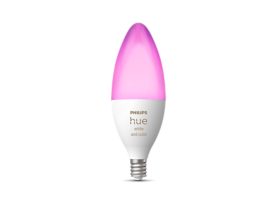
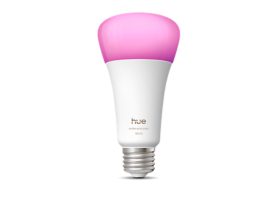
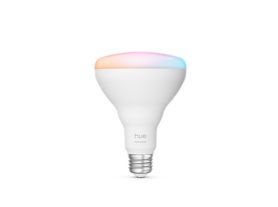
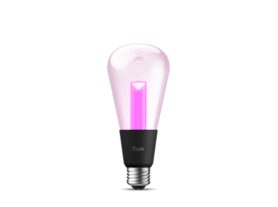
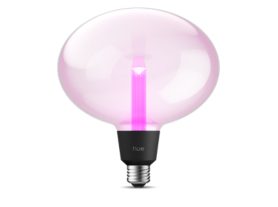
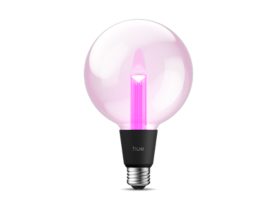
While choosing between White and White Ambiance bulbs helps you perfect your daily tasks and sleep cycles, you might be wondering if you should step into the world of full-spectrum smart lighting. While "White" bulbs provide a fixed warm glow and "White Ambiance" allows you to shift from cool blue-white to a warm amber hue, color-changing smart bulbs (Hue White and Color Ambiance) offer over 16 million colors to completely transform your home's atmosphere.

When deciding if you should upgrade to color-changing LED bulbs, consider these unique benefits:

  • Immersive Entertainment: Using the Hue Sync feature, color bulbs can mimic the action on your TV or pulse to the beat of your music, creating a surround-sound-and-light experience for your senses.
  • Holiday and Seasonal Themes: Instantly change your home’s vibe for HalloweenChristmas, or game day without buying new decorations.
  • Enhanced Well-being: Beyond the standard "cool to warm" white, you can use deep blues or soft greens to create a therapeutic lighting environment that aids in relaxation or focus.
  • Visual Notifications: Philips Hue Secure lets you trigger your lights as an “alarm” — if your sensors or camera detects motion, you can turn your lights on to bright white or, if you have color-capable lights, red, offering a silent smart home alert system.