What are light strips?
LED strip lights have become a staple in modern home and commercial lighting due to their flexibility, efficiency, and aesthetic appeal. If you’re wondering what are strip lights, they are slim, flexible lighting strips designed to fit into hard-to-reach or unconventional spaces, offering both functional illumination and creative lighting effects unlike traditional bulbs.
These strips are perfect for ambient, task, and accent lighting — from illuminating kitchen countertops to creating mood lighting behind TVs or shelves.
Defining LED light strips
LED strip lights—also commonly called LED light strips—are flexible ribbons embedded with multiple LEDs mounted along a narrow circuit board. Designed to adapt to a wide range of spaces, strip lights for rooms can be installed under cabinets, along ceilings, behind furniture, or along architectural features to provide both functional lighting and decorative accents. Their low profile, energy efficiency, and customizable length make them a popular choice for modern residential and commercial environments.
Key characteristics:
- Flexibility:
- Can bend around corners, under furniture, or along irregular surfaces without damaging the circuitry.
- Ideal for creative installations in modern homes, offices, or entertainment areas.
- Adhesive backing:
- Most LED strips come with peel-and-stick adhesive for simple surface installation.
- Reduces the need for complex fixtures or hardware.
- Customizable length:
- Some strips can be cut at designated points to fit any space.
- Many can also be reconnected or extended using connectors for longer spaces.
- Color and brightness options:
- Available in monochrome white, RGB color, or RGBW (RGB + warm/cool white) versions.
- Brightness levels vary, allowing use for subtle accent lighting or full illumination.
Benefits of LED strip lights
- Energy efficiency: Use significantly less power than traditional incandescent or halogen bulbs.
- Versatility: Can be installed almost anywhere — walls, ceilings, shelves, under cabinets, or behind TVs.
- Ease of installation: Adhesive backing and flexible design simplify setup.
- Customization: Adjust colors, brightness, and length to fit your space and needs.
- Smart capabilities: Many modern LED strips integrate with smart home systems for automated control.
What makes Philips Hue Strip lights premium?
While generic LED strips are widely available, Philips Hue strips offer a high-end smart lighting experience that transforms simple accent lighting into a fully integrated home automation feature.
True full-color spectrum
- Hue strips deliver millions of colors, plus a wide range of warm-to-cool whites.
- This allows for precise ambiance control — from cozy, relaxing light to bright, energizing task lighting.
Seamless extension
- Philips Hue strips can be extended up to 33 feet (10 meters) using plug-and-play accessories.
- Tool-free installation ensures flexibility without requiring soldering or technical expertise.
Smart home integration
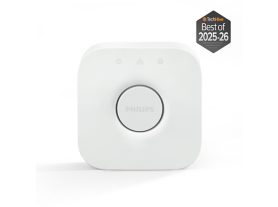
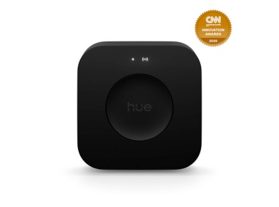
When connected to the Hue Bridge, Philips Hue strips unlock advanced functionality:
- Voice control: Compatible with Alexa, Google Assistant, and Apple HomeKit.
- Room grouping & automation: Synchronize strips with other lights for whole-room routines or automation.
- Entertainment sync: Lights can react to music, movies, or games, creating immersive experiences.
- Remote control: Adjust settings via smartphone app from anywhere.
Common applications of LED strip lights
- Ambient lighting: Create a soft glow behind TVs, monitors, or furniture—ideal for setting the mood with strip lights for rooms.
- Task lighting: Bright, focused light under cabinets or along work surfaces.
- Accent lighting: Highlight architectural features, shelves, or artwork.
- Decorative effects: Color-changing setups for parties, holidays, or themed rooms.
Installation tips for LED strip lights
- Measure first: For cuttable strip lights, plan the layout to avoid cutting too much or leaving gaps.
- Clean the surface: Ensure the area is dust-free for optimal adhesion.
- Cut at designated points: Only cut along marked scissor icons to avoid damaging circuits.
- Use extensions and connectors: For long runs or corners, connect strips properly for consistent lighting.
- Consider smart controls: If using Philips Hue, connect to a Hue Bridge for full smart functionality
Conclusion: LED strip lights are versatile, energy-efficient, and ideal for modern interiors. If you’re exploring what are strip lights and how they enhance a space, they offer a flexible solution for everything from functional task lighting to creative ambient effects. Designed as strip lights for rooms, they can be installed almost anywhere—under cabinets, behind furniture, or along architectural details. Philips Hue strips elevate this concept further by combining flexible design, vibrant full-color illumination, and seamless smart home integration. Whether you’re enhancing an entertainment setup or creating custom lighting scenes, LED strip lights deliver a stylish and practical lighting solution for any room.