Where to put LED strip lights?
LED strip lights are versatile, energy-efficient, and highly customizable. Flexible, color-rich products like Philips Hue strips can transform a room by enhancing depth, defining spaces, and setting moods. Where to put LED strip lights? The key principle for successful LED strip light placement is concealment: hide the strip itself and let the light beam define the space. For the best LED strip lighting ideas, proper placement balances aesthetics, functionality, and smart lighting capabilities.
Finding the best place for LED strip lights: Top Locations
Below are some of the most effective ways to place your LED strips, along with their benefits and Hue-specific features.
| Location | Effect & Benefit | Hue Feature |
| Behind TVs/Monitors | Creates subtle backlight to reduce eye strain and enhance media content | Hue Sync for light-and-color matching with screen content |
| Under Kitchen Cabinets | Provides continuous task lighting on countertops without clutter | White ambiance settings for bright, cool light perfect for cooking |
| Behind Crown Molding/Ledges | Soft, indirect cove lighting makes ceilings feel taller and rooms more open | Full color control to change the room's mood instantly |
| Under Desks & Shelving | Defines workspaces, adds a floating look to furniture | Automations to turn on when sitting at desk or entering workspace |
| Behind Mirrors | Creates flattering bathroom or vanity lighting while reducing shadows | Dimming capability for night use or subtle ambiance |
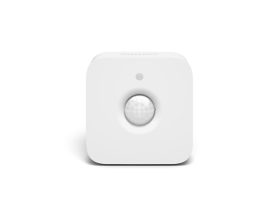
| Staircases (Under Treads) | Enhances safety and visibility at night; adds a sleek, modern design element | Motion sensor compatibility to activate lights only when movement is detected |
| Hallway Guides (Along Baseboards) | Provides low-level, continuous illumination for safe navigation in dark halls | Grouping lights into "Zones" for synchronized illumination down the entire length |
| Behind Headboards | Generates soft, ambient background light for a cozy, luxurious bedroom feel | Warm dimming tones to promote relaxation and prepare for sleep |
Living Room LED strips placement ideas
- Cove Lighting Behind Crown Molding: Cast a warm glow along walls and ceilings for a cozy or dramatic effect.
- Media Backlighting: Place strips behind TVs or soundbars to enhance movies, gaming, or streaming content. Hue Sync can even match colors in real time.
- Under Furniture: Highlight couches or shelving units to create floating effects or accentuate decor.Check more living room lighting ideas
Bedroom and Relaxation Areas
- Under Beds: Create a floating bed effect and subtle night lighting for safe movement.
- Closets and Wardrobes: Illuminate interiors for better visibility without large overhead fixtures.
- Headboards and Shelving: Add soft accent lighting for ambiance or reading purposes.
Check more bedroom lighting ideas
Kitchen and Functional Spaces
- Under Cabinets: Provides clean, shadow-free task lighting for cooking or prep areas.
- Shelves and Pantry: Make it easier to see items without turning on bright ceiling lights.
- Islands and Counters: Add both accent lighting and functional illumination for a modern aesthetic.
Check more kitchen lighting ideas
Bathrooms and Vanities
- Behind Mirrors: Soft, diffused lighting is flattering for grooming and makeup.
- Under Vanity Cabinets: Gentle night lighting without harsh overhead lights.
- Ceiling Cove: Subtle ambiance for relaxation or spa-like effects.
Smart Placement Considerations for Philips Hue
- Automations: Use motion sensors to turn lights on or off automatically in hallways, bathrooms, or workspaces.
- Scenes: Set up color-coded or dimmed scenes for different times of day, entertainment, or activities.
- Room Sync: Combine multiple strips in one room for continuous color transitions or themed effects.
- Flexible Installation: Run strips along corners, edges, or curved surfaces to fully utilize room geometry.
- Voice Assistant Control: Integrate with major platforms like Amazon Alexa, Google Assistant, or Apple HomeKit to control brightness, colors, and scenes using simple voice commands.
- Energy Savings: Leverage Hue's scheduling and dimming capabilities to actively reduce power consumption. Automatically dimming lights after 10 PM or ensuring lights switch off when a room is vacant significantly contributes to the dije bof your home.
Tips for Optimal Effect
- Conceal the Strip: Hide the LEDs behind objects or trim to avoid visible dots and glare.
- Test Before Fixing: Light up the strip in different positions before final installation.
- Mix Functional and Decorative: Combine ambient lighting with task lighting for versatile use.
- Balance Brightness: Ensure strips complement rather than overpower existing room lighting.
- Plan Power Access: Keep power adapters and controllers accessible for maintenance and smart control.
Conclusion
LED strip lights are highly versatile, allowing you to add both functional and decorative lighting to virtually any area. Whether behind TVs, under cabinets, along shelving, or on ceilings, strategic LED strip light placement enhances ambiance, functionality, and visual appeal. Philips Hue strips provide smart control, immersive colors, and flexible installation, making them ideal for creating dynamic, tailored lighting environments in every room of your home. By considering concealment, accessibility, and purpose, you can transform ordinary spaces into illuminated, mood-enhancing zones.
To summarize, finding the best places to put LED strip lights depends on balancing visual impact with utility, ensuring you achieve the soft, indirect glow that defines modern lighting.
Read our comprehensive LED Strip Installation Tutorial.