Living room with soft ambient glow from smart under cabinet lighting in purple and orange, highlighting modern decor and artwork.

Under-cabinet lighting for a brighter, more functional kitchen

22 January, 2026

Under-cabinet lighting is one of the most effective ways to improve both the look and usability of a kitchen. By illuminating countertops directly, it enhances visibility for food prep and cleaning while also adding depth and warmth to the space.

Modern kitchens are not used only for cooking. They’re places where people gather, work, and move through daily routines. LED Under-cabinet lighting supports these activities by reducing shadows, improving comfort, and creating a more balanced lighting environment—especially when combined with smart lighting controls that adapt throughout the day.

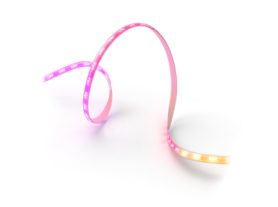
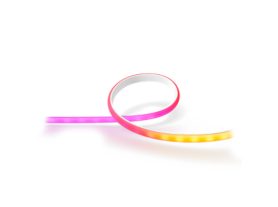
Rather than relying solely on overhead fixtures, under-cabinet lighting like the types offered by Philips Hue LED strip lights, introduces a focused, functional layer that makes kitchens easier to use and more inviting to spend time in.

Person holding bowls in a kitchen with green LED strip lights illuminating the countertop and shelves with utensils and bottles.

What is under-cabinet lighting and why it matters

Under-cabinet lighting refers to lights installed beneath wall cabinets to illuminate the countertop surface below. Unlike ceiling lights, which can cast shadows when you stand at the counter, under-cabinet lighting delivers even, targeted illumination exactly where tasks happen.

This improves safety when handling knives, makes it easier to read recipes or packaging, and reduces eye strain during detailed work. Visually, it also helps define work zones and gives the kitchen a cleaner, more polished appearance.

Task lighting vs ambient lighting

Under-cabinet lighting serves two important roles:

  • Task lighting, which provides bright, focused light for cooking, chopping, and cleaning

  • Ambient lighting, which contributes to the overall mood of the space, especially in the evening

With smart under-cabinet lighting, these roles don’t have to be separated. The same lights can be brighter and cooler during active hours, then dimmed or warmed later to create a calmer atmosphere without changing fixtures or layouts. 


Choosing the right type of under-cabinet lighting

There are several types of under-cabinet lighting, but LED strip lights are among the most versatile and widely used. Their slim profile allows them to remain hidden beneath cabinets, while their continuous light output prevents uneven illumination or dark gaps along the counter.

Philips Hue strip lights are designed to adapt to different cabinet lengths and layouts, making them suitable for a wide range of kitchen sizes and styles. Check more kitchen lighting ideas.

Cabinet with attached Led strip light

Why LED strip lights work so well for cabinets

LED strip lights are particularly effective because:

  • They distribute light evenly across long surfaces

  • They stay cool, even during extended use

  • They are energy efficient compared to traditional bulbs 

  • They can be cut or extended to match cabinet dimensions

Because Philips Hue strip lights are smart, brightness and color temperature can be adjusted through the Hue app. This flexibility allows the lighting to adapt to different tasks, times of day, and personal preferences.


Installing under-cabinet lighting: planning and placement

Installing under-cabinet lighting is often simpler than people expect, especially with modern adhesive-backed LED strips. Still, thoughtful planning helps ensure even illumination and long-term comfort.

Before installation, it’s worth considering cabinet layout, countertop color, and where power sources are located. These factors influence brightness levels and final placement.

Where to mount

For best results:

  • Mount lights close to the front edge of the cabinet to illuminate the work surface directly

  • Avoid positioning lights too far back, which can cause glare on the backsplash

  • Test placement temporarily before securing strips permanently 

Countertop materials also play a role. Light-colored or reflective surfaces bounce light more effectively, while darker or matte surfaces may require slightly higher brightness settings.

Woman reaching for a book on a shelf with undercabinet lighting


Smart under-cabinet lighting and everyday routines

Smart under-cabinet lighting adds flexibility to how kitchens function throughout the day. In the morning, brighter, cooler light supports focus and visibility. In the evening, warmer tones help create a relaxed environment without fully lighting the room.

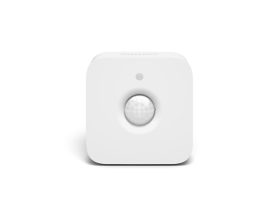
Automations can handle these transitions automatically, while motion sensors provide hands-free convenience—particularly useful when cooking or entering the kitchen at night.

Smart lighting can also support more energy-conscious habits by reducing brightness when full output isn’t necessary.

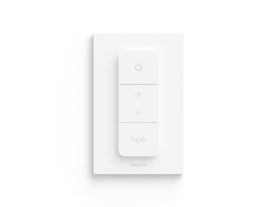
Explore Philips Hue lighting controls


Under-cabinet lighting ideas beyond the kitchen

Although kitchens are the most common use case, under-cabinet lighting works well in other areas of the home. LED strips can highlight shelving, add depth under sideboards, or provide a subtle guiding light in hallways during nighttime hours.

Philips Hue LED strip lighting under kitchen cabinet

Because smart LED strips are adjustable, they can serve both decorative and practical purposes across different rooms without overwhelming the space.

Final thoughts

Under-cabinet lighting is a practical upgrade that delivers immediate benefits: improved visibility, reduced shadows, and a more inviting kitchen atmosphere. When paired with smart controls, it becomes a flexible lighting layer that adapts naturally to daily routines.

From installing under-cabinet lighting for focused task use to creating smart lighting scenes for evenings and gatherings, this approach helps transform kitchens into spaces that work comfortably at any hour of the day.